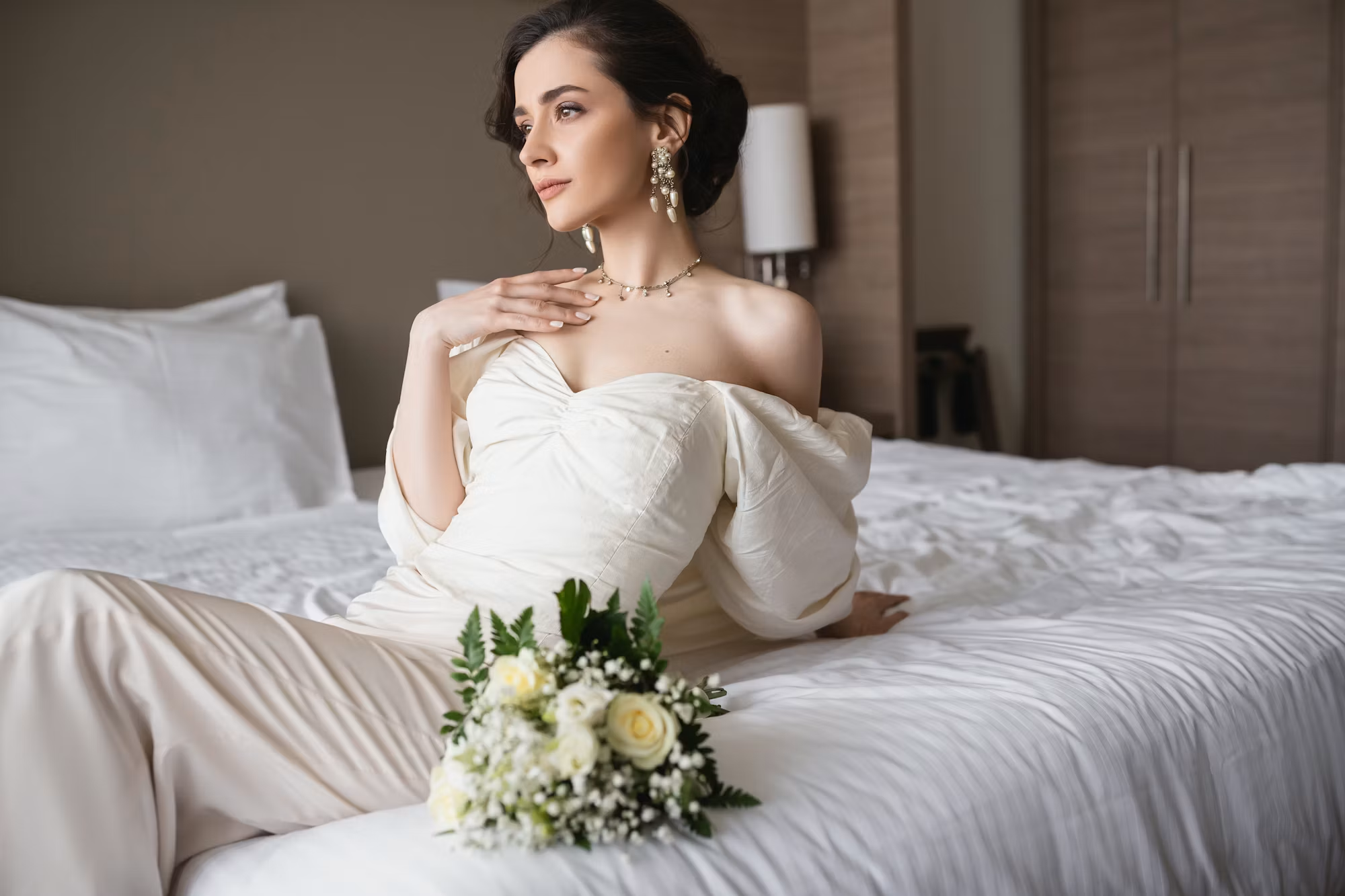
Planning a wedding is one of the most exciting yet daunting tasks a couple can undertake. With countless decisions to make, from the venue to the menu, it’s easy to feel overwhelmed. However, with careful planning and creativity, couples can craft a memorable wedding experience that reflects their unique love story and personalities. This article aims to guide couples through the planning process, offering tips and ideas to create a truly special day. The first step in planning a memorable wedding is to establish a clear vision. Couples should sit down together and discuss what their dream wedding looks like. This includes deciding on the overall theme, style, and atmosphere they wish to create. Are they envisioning a romantic garden wedding, a chic city affair, or perhaps a rustic barn celebration? Defining the vision early on will help streamline the planning process and ensure that all elements align with their goals. Once the vision is clear, the next step is to create a budget. A well-thought-out budget will serve as a framework for the entire planning process. Couples should consider all aspects of the wedding, including the venue, catering, attire, photography, and entertainment. It’s important to prioritize what matters most—whether it’s the venue or the food—and allocate funds accordingly. Couples might also want to leave a little wiggle room for unexpected expenses that may arise. With the budget set, the search for the perfect venue can begin. The venue plays a significant role in the wedding experience, influencing the overall ambiance and guest experience. Couples should visit several locations, taking note of how each venue aligns with their vision. Outdoor venues, such as gardens or beaches, provide a stunning natural backdrop, while indoor venues, like historic buildings or modern lofts, offer a unique charm. Additionally, couples should consider the venue’s capacity and amenities to ensure it meets their needs. After selecting the venue, couples can turn their attention to crafting the guest list. This can be one of the most challenging aspects of planning a wedding, as it often involves balancing personal desires with family expectations. Couples should discuss who they want to invite and consider creating a priority list. This list can be divided into must-invite guests and those who can be included if space allows. It’s also a good idea to think about how the guest list might impact other planning decisions, such as the size of the venue and catering options. With the venue and guest list in place, couples can start planning the details that will make their wedding unique. One popular trend is to incorporate personal touches throughout the ceremony and reception. This might include custom signage, personalized favors, or unique decor that reflects the couple’s personalities. For example, a couple who loves travel might create table names based on destinations they’ve visited together, while a couple with a passion for cooking might include a family recipe in their menu. Additionally, many couples are choosing to include interactive elements that engage guests, such as photo booths, live entertainment, or DIY stations. These experiences create memorable moments for guests and add a fun, personal touch to the celebration. Choosing the right attire is another significant aspect of wedding planning. The bride and groom should select outfits that not only reflect their personal style but also fit the overall theme of the wedding. While many brides opt for traditional white gowns, some are embracing color and unique styles, such as vintage or bohemian designs. Grooms too are breaking away from traditional tuxedos, exploring options like tailored suits in bold colors or even casual attire, depending on the wedding’s vibe. It’s important for both partners to feel comfortable and confident in their choices, as they will be the center of attention on their special day. Catering is a crucial element that can make or break a wedding reception. Couples should consider their guests’ preferences and dietary restrictions when planning the menu. Offering a variety of options, including vegetarian and gluten-free dishes, ensures that everyone can enjoy the meal. Additionally, couples can choose to incorporate cultural dishes that hold significance for them or their families, adding another layer of personalization. Another rising trend is the use of food stations or buffet-style dining, which encourages guests to mingle and creates a relaxed atmosphere. As the wedding day approaches, creating a detailed timeline is essential for ensuring everything runs smoothly. Couples should outline the day’s events, from the ceremony to the reception, and communicate this timeline with their vendors and wedding party. Designating someone to oversee logistics on the day of the wedding can help alleviate stress and allow the couple to focus on enjoying their celebration. Additionally, rehearsing the ceremony with the wedding party can ensure that everyone knows their roles and can help avoid any surprises on the big day. On the wedding day itself, it’s important for couples to take a moment to savor the experience. With so much excitement and anticipation leading up to the event, it can be easy to get caught up in the details. Couples should remember to pause, breathe, and enjoy the love and support surrounding them. Capturing these moments is essential, so investing in a talented photographer and videographer is highly recommended. A skilled photographer can not only document the day but also help capture the couple’s unique story through candid shots and creative angles. In recent years, many couples have also begun to explore the concept of elopements and micro weddings. These intimate celebrations focus on the couple’s love, often involving just a few close family members or friends. This approach allows couples to create a deeply personal experience without the pressures of a large wedding. Elopements often take place in stunning locations, such as mountaintops or secluded beaches, adding an adventurous flair to the celebration. Regardless of the scale, the essence of a wedding is the same: celebrating love and commitment. As couples plan their wedding, they should remain true to themselves and their vision, creating an experience that reflects their unique love story. This personal touch will not only make their day memorable but also resonate with their guests, leaving a lasting impression. In conclusion, planning a memorable wedding is a journey filled with creativity, collaboration, and love. By defining a clear vision, setting a budget, and incorporating personal touches, couples can create a celebration that is uniquely theirs. From selecting the perfect venue to crafting an engaging guest experience, every detail contributes to the overall ambiance of the day. Ultimately, the most important aspect of any wedding is the love shared between the couple, and this should shine through in every element of their celebration.
A Guide to Creating a Memorable Wedding Experience
Categories:
Related Post
A Floral Journey: The Perfect Bouquets for Every Romantic MilestoneA Floral Journey: The Perfect Bouquets for Every Romantic Milestone
Discover the ideal floral arrangements to celebrate each stage of a romantic relationship, from firs

Celebrating Love: The Evolving Landscape of Wedding TrendsCelebrating Love: The Evolving Landscape of Wedding Trends
This article explores contemporary wedding trends, examining how modern couples personalize their ce

Dating in the Digital Age: Navigating Online Relationships with ConfidenceDating in the Digital Age: Navigating Online Relationships with Confidence
An exploration of the dynamics of online dating, offering tips and strategies for fostering genuine